



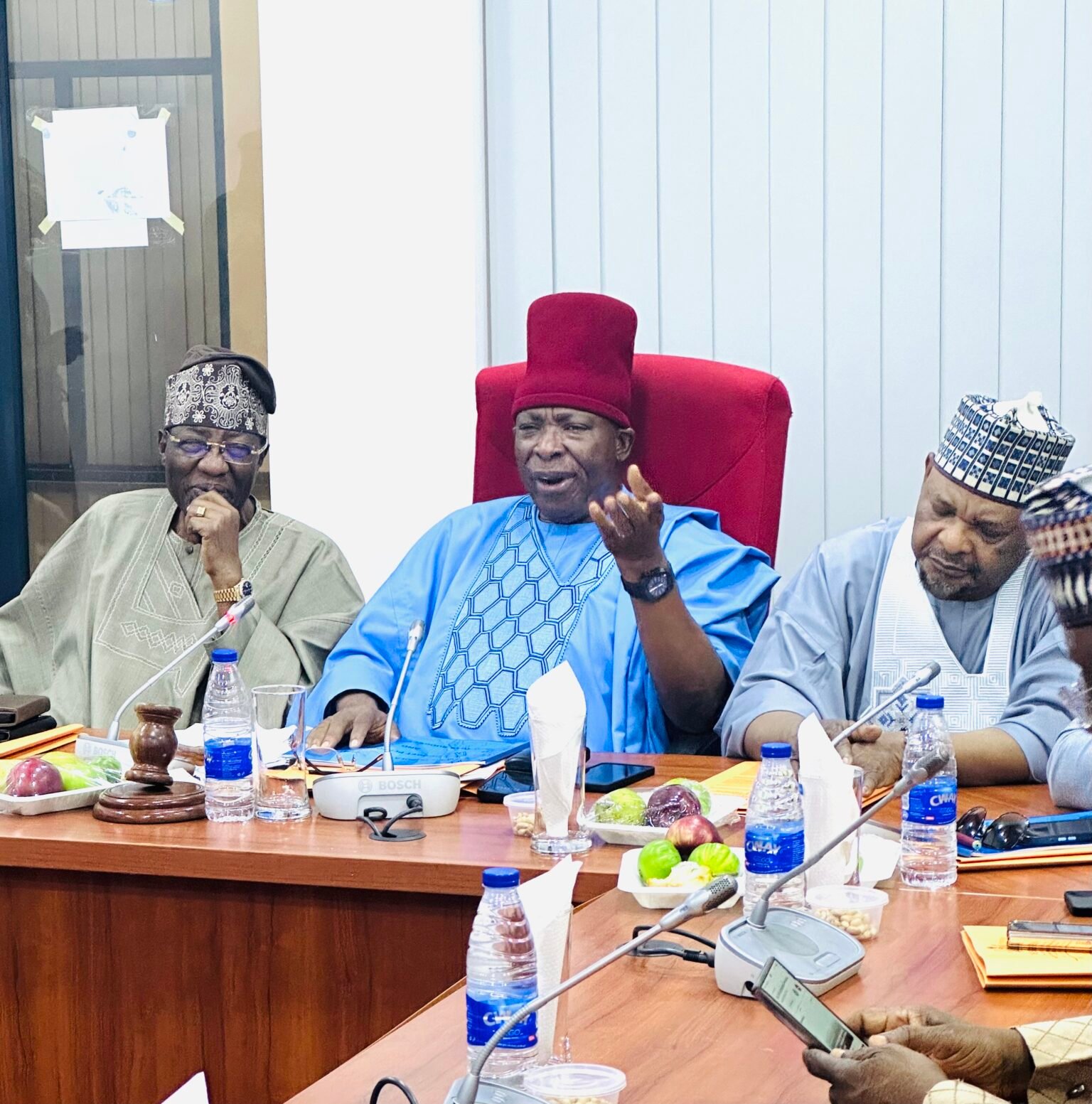
The Senate has advocated placing the National Population Commission on first-line charge, declaring that the Commission’s mandate is even more critical than that of the Independent National Electoral Commission, as it provides the demographic foundation for national planning and development.
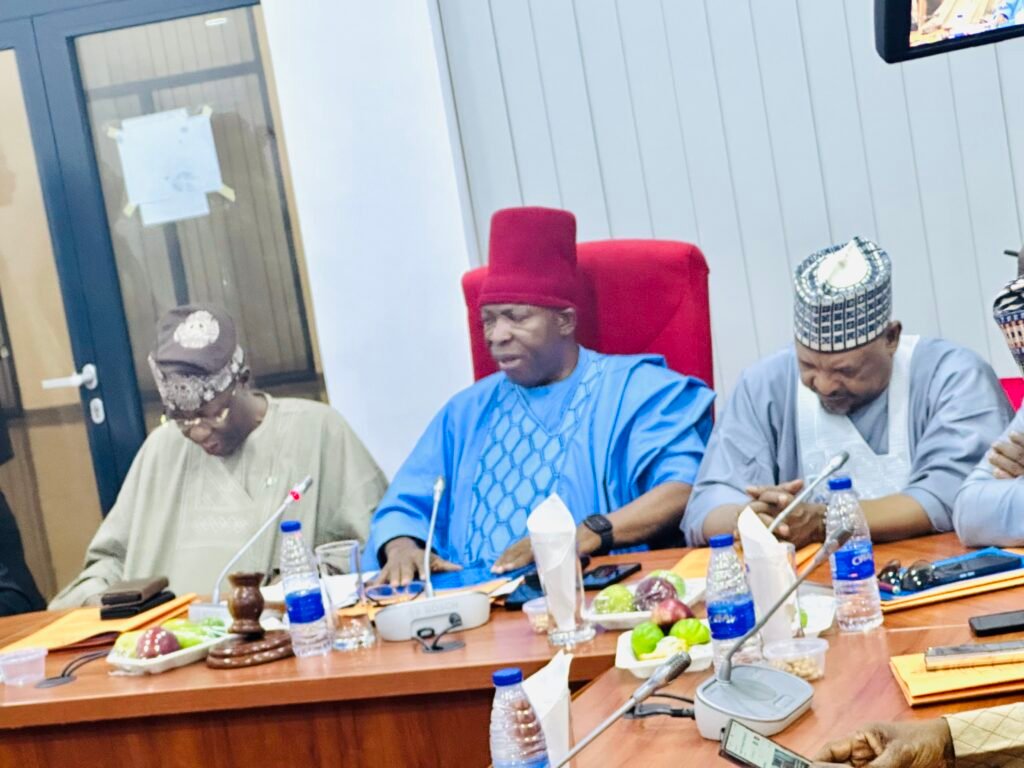
The position was made on Wednesday during a budget defence session of the Senate Committee on National Population and NIMC, where the Chairman of the Commission, Dr. Aminu Maida Yusuf, presented the agency’s 2025 budget performance and 2026 projections.
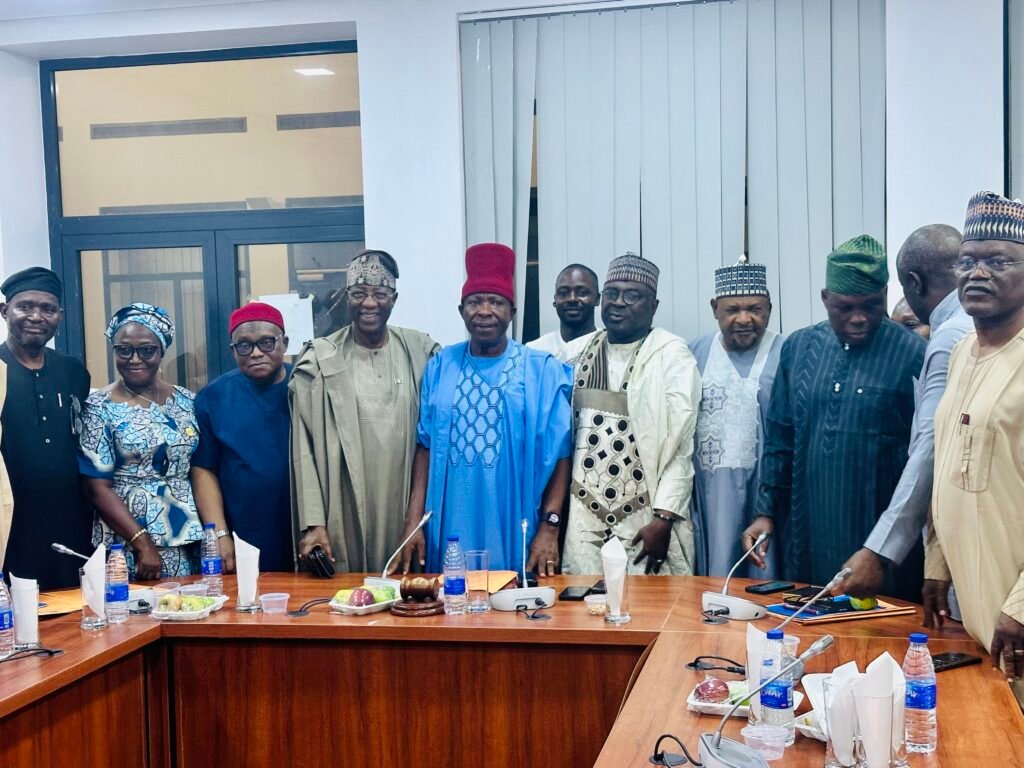
Chairman of the Committee, Senator Victor Umeh, said there is an ongoing constitutional amendment effort to grant the Commission first-line charge status, noting that a bill has already been sponsored to that effect.
According to Umeh, Nigeria accords high priority to INEC because of elections, yet fails to give similar recognition to the institution that holds the country’s total population data.
“INEC is a subset of what the population commission represents. You respect INEC, but you do not respect the institution that knows the total population — the number of women, elderly people, children and dependents. Governance begins with knowing your numbers,” he said.
The senator likened the situation to a father who must know the number of his children to plan adequately for their welfare, stressing that without credible demographic data, planning for education, healthcare, infrastructure and security would remain fundamentally flawed.
Umeh also urged influential lawmakers, including former governors on the committee, to mobilise support and engage relevant stakeholders to secure sustainable funding for the Commission, especially as preparations for a national census remain stalled.
The push for funding protection comes against the backdrop of troubling 2025 budget performance figures presented by the Commission.
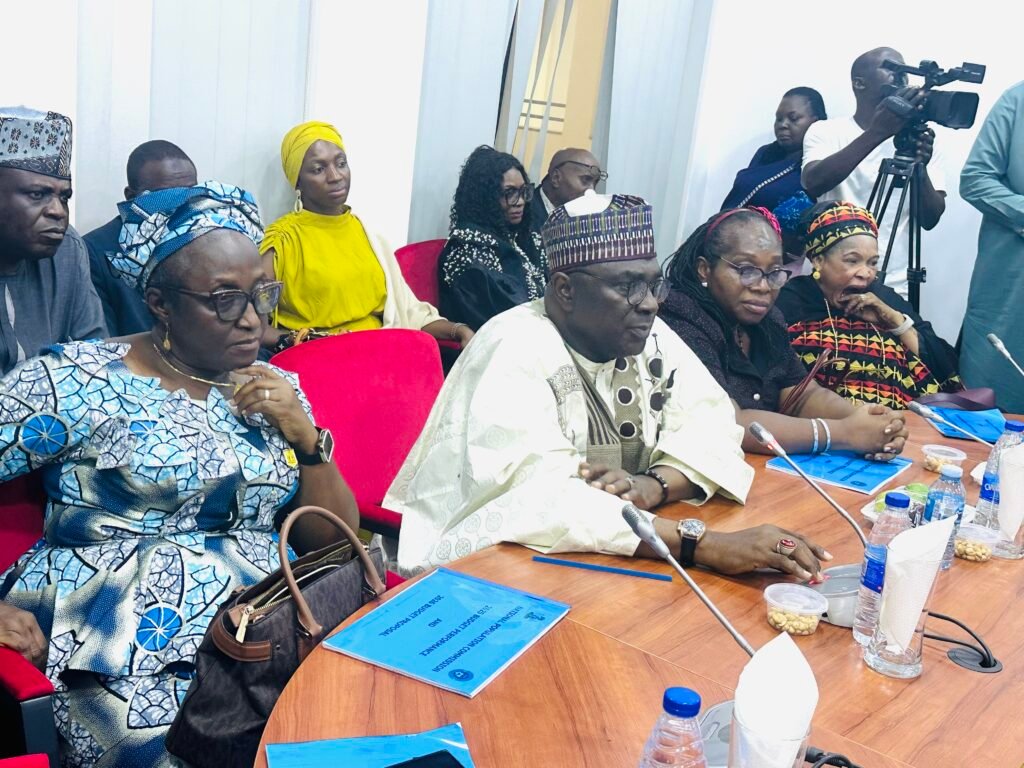
Dr. Yusuf disclosed that the Commission was appropriated ₦36,211,622,208.00 for the 2025 fiscal year, covering capital, overhead and personnel costs. The breakdown includes ₦18.2 billion for capital projects, ₦1.17 billion for overheads and ₦16.76 billion for personnel.
However, capital expenditure recorded zero release, representing zero per cent performance.
Lawmakers expressed deep concern that despite the ₦18.2 billion earmarked for capital projects — critical for census preparations — not a single naira was released.
“You got nothing. Of the ₦18 billion appropriated for capital projects in 2025, you received zero,” a member of the committee observed during the session.
On overhead expenditure, ₦682.44 million was released out of ₦1.17 billion, reflecting a 41.8 per cent performance rate.
Personnel costs recorded 103 per cent performance, with ₦17.33 billion released through the Integrated Payroll and Personnel Information System (IPPIS), exceeding the ₦16.76 billion appropriation by over ₦506 million.
Responding to concerns over the variance, Dr. Yusuf explained that personnel payments are processed centrally through the Office of the Accountant General of the Federation and that promotions and statutory adjustments may have accounted for the increase.
The Committee, however, insisted that any expenditure beyond appropriated sums must align strictly with National Assembly approval processes and be transparently documented.
The Senate reiterated that without credible and updated population data, Nigeria’s development planning would remain impaired, stressing that granting first-line charge status to the National Population Commission would shield it from funding uncertainties and accelerate preparations for a long-awaited, technology-driven national census.
