





Former Director-General of the Nigerian Maritime Administration and Safety Agency (NIMASA), Dr Dakuku Peterside, has called on African leaders to prioritise evidence-based policymaking and effective implementation of reforms to accelerate development across the continent.
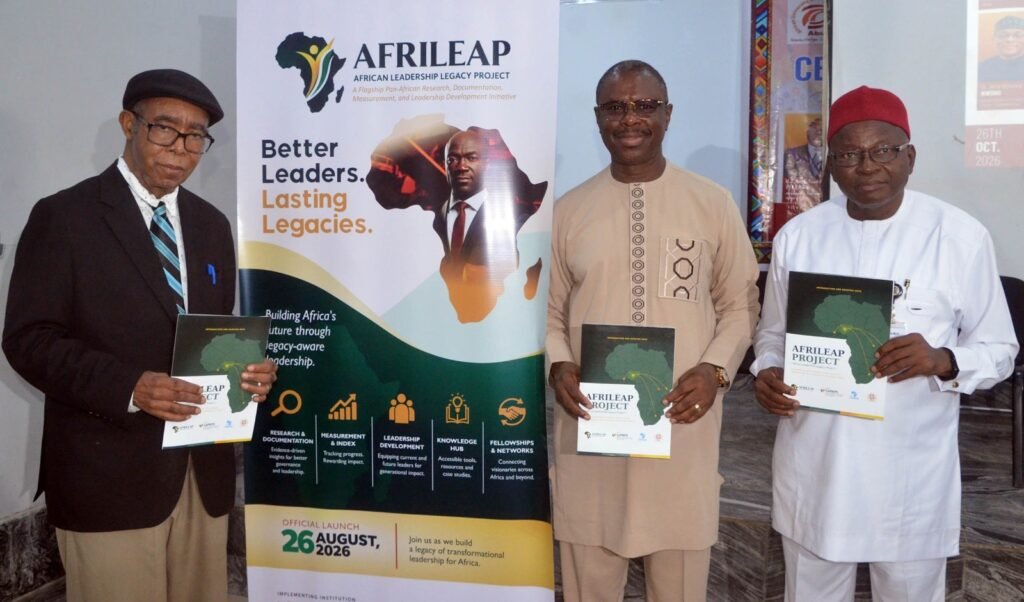
Peterside made the call at the launch of the 18-month African Leadership Legacy Project (AFRILEAP), organised by the African University of Science and Technology (AUST), Abuja.
He stressed that Africa’s development challenges required leaders to move beyond policy formulation and embrace research-driven solutions capable of delivering measurable improvements in citizens’ lives.
According to him, the persistent disconnect between academic research institutions and government policy implementation remains a major obstacle to the continent’s progress, despite its wealth of intellectual resources and research capabilities.
He maintained that public policies must be grounded in credible research, reliable data and practical evidence, warning that initiatives formulated without adequate research risk becoming public relations exercises rather than effective responses to citizens’ needs.
The former NIMASA director-general urged political office holders, policymakers and institutional leaders to strengthen collaboration among universities, research centres, governments and the private sector to ensure that research findings translate into practical solutions.
He noted that developed countries, particularly in the West, regularly draw on research institutions and think tanks to inform public policies, guide strategic decisions and respond to emerging challenges.
Peterside described AFRILEAP as an opportunity to promote leadership development, encourage critical thinking and strengthen the application of research to governance and institutional reforms across Africa. He also urged leaders to focus on building sustainable systems capable of delivering results beyond their tenures in office.
Earlier, AUST President, Prof. Peter Onwualu, said Africa’s development challenges stemmed not necessarily from a lack of policies but from the failure to implement existing ones effectively.
Onwualu explained that even well-designed policies could not achieve their intended objectives without strong institutions, political commitment, accountability and consistent implementation.
He called on African leaders to demonstrate the political will to implement reforms as intended, rather than allowing policy initiatives to remain on paper without producing tangible benefits for citizens.
The AUST president said the launch of AFRILEAP represented an effort to promote leadership that prioritises evidence-based decision-making, institutional effectiveness and long-term development outcomes.
Also speaking, the Dean of the School of Engineering at AUST, Dr Vitalis Anye, advocated visionary and purposeful leadership capable of harnessing Africa’s human and intellectual resources to drive sustainable development.
Anye highlighted the importance of forward-looking leadership in identifying development priorities, promoting innovation and creating an enabling environment for research, technological advancement and institutional growth.
He said the continent’s progress would depend partly on leaders’ willingness to embrace innovative ideas, support knowledge generation and translate research findings into practical interventions.
In his closing remarks, the Director of the Centre for Pan-African and Peace Studies (CePAPS), Prof. Chudi Uwazurike, emphasised the need to strengthen collaboration between research institutions and policymakers.
Uwazurike said bridging the gap between policy formulation and implementation was critical to accelerating development, adding that closer collaboration among academics, government institutions and industry would help African countries develop context-specific solutions to challenges in governance, economic growth, education, technology and social development.
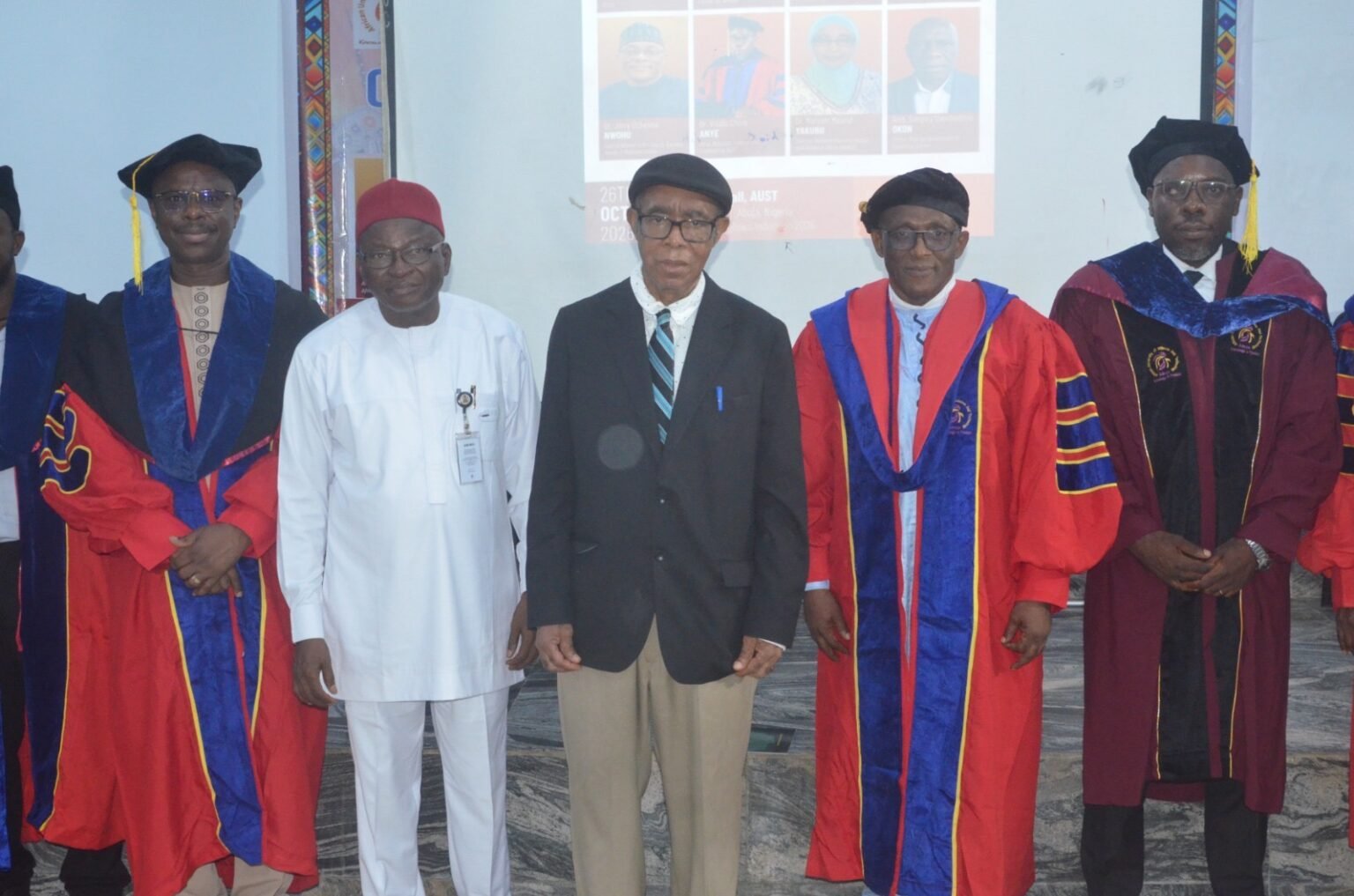
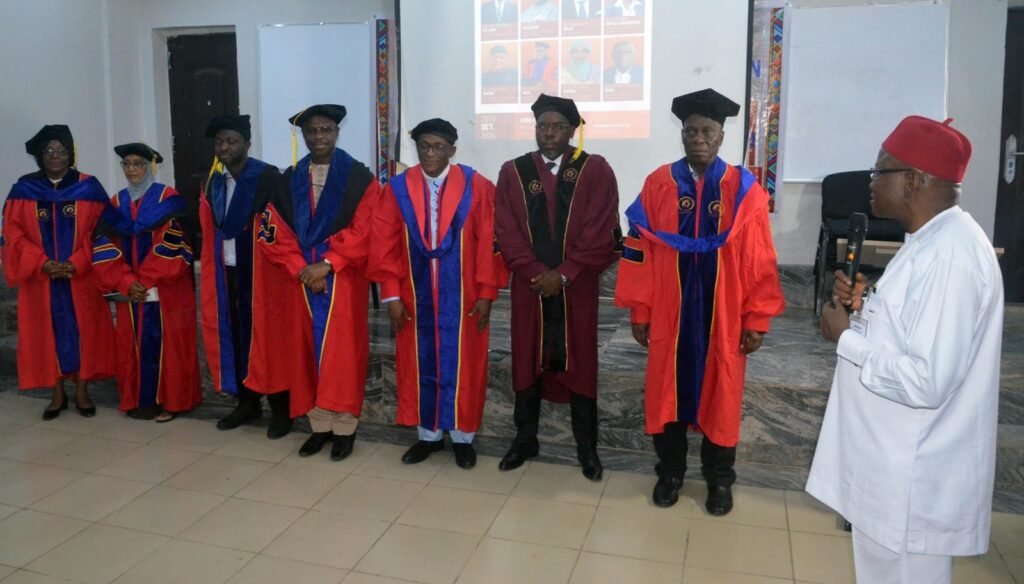
A major highlight of the event was the induction of distinguished African researchers into the Senior Researcher Fellowship of AUST’s Centre for Pan-African and Peace Studies.
The fellowship is designed to harness the expertise and professional experience of accomplished African researchers to advance scholarship, strengthen leadership development and promote knowledge-based solutions to the continent’s challenges.
Through the initiative, the university seeks to deepen research collaboration and encourage the application of scholarly findings to policymaking, governance and sustainable development.
