




The Federal Ministry of Livestock Development (FMLD) has distributed more than 1,000 livestock feed inputs to farmers across Bayelsa to boost livestock production, improve livelihoods and enhance food security.
The intervention was carried out on Saturday by the ministry’s Department of Ranch and Pastoral Resources Development.
The ministry disclosed this in a statement signed by Henrietta Okokon, Deputy Director, Information and Public Relations, and made available to newsmen on Sunday in Abuja.
According to the statement, the intervention included the distribution of groundnut cake and salt licks to livestock farmers in the state to support animal nutrition and improve productivity.
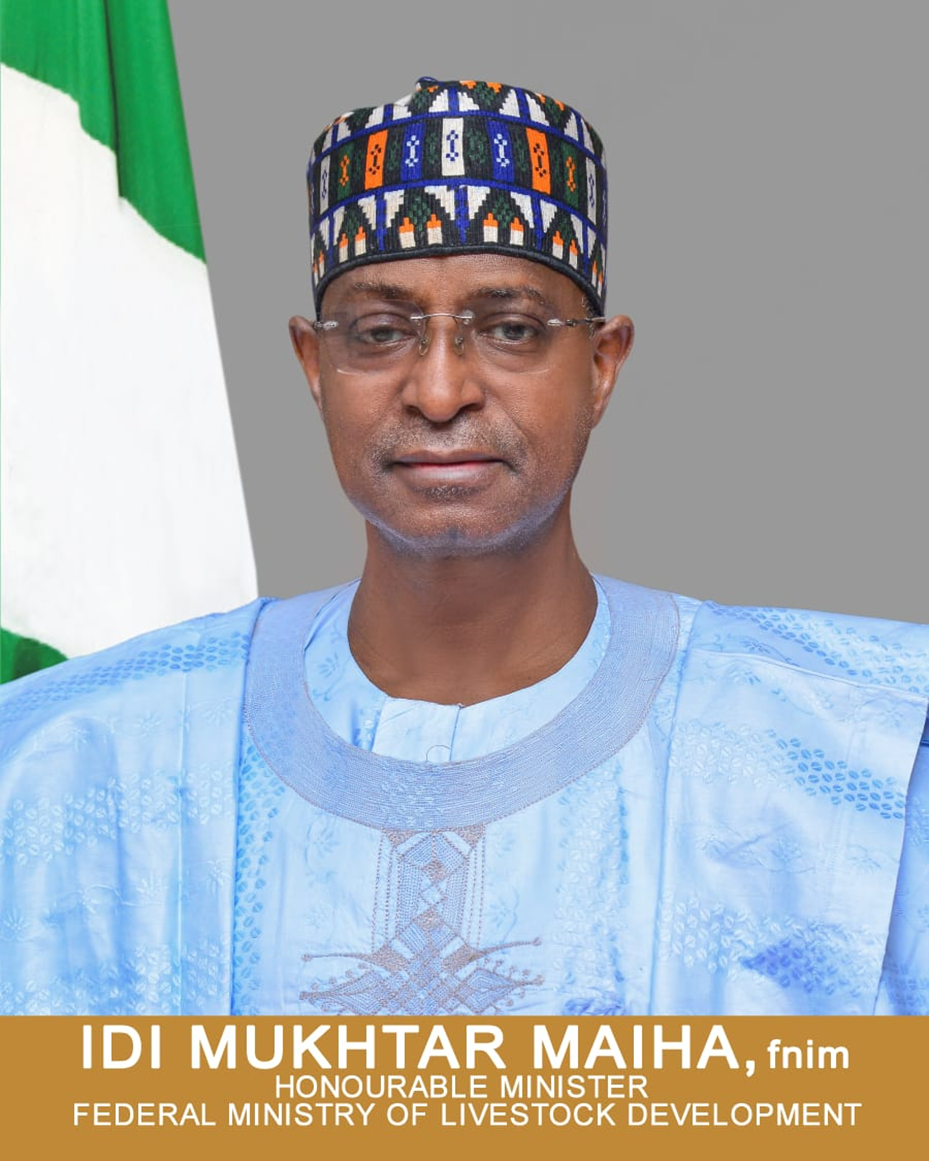
Representing the Minister of Livestock Development, Mr Idi Mukhtar Maiha, the Director, Ranch and Pastoral Resources Development, Dr Hakeem Ibilade, described the intervention as one of the ministry’s milestones in responding to the needs of livestock farmers across the country.
Ibilade said the intervention was informed by feedback received from farmers in Bayelsa, stressing that the ministry remained committed to a responsive and farmer-centred approach to the sustainable development of Nigeria’s livestock sector.
He urged beneficiaries to ensure proper and continuous utilisation of the inputs for the benefit of their livestock, communities and the state.
The director also encouraged the farmers to organise themselves into cooperative groups and associations to facilitate effective coordination and improve their access to future interventions and support programmes.
He urged the beneficiaries to take ownership of the items provided and use them responsibly to improve livestock productivity and contribute to the development of the livestock value chain in Bayelsa.
Also speaking, the ministry’s Zonal Coordinator, Dr Uyobong Uko, said the distribution of groundnut cake and salt licks was aimed at improving animal nutrition and boosting livestock production in the state.
Uko said the intervention was part of the minister’s commitment to improving the welfare and productivity of livestock farmers across the country.
He explained that similar interventions were being implemented in other parts of the country, reaffirming the ministry’s determination to ensure that livestock farmers benefited from government support irrespective of their location.
He assured the beneficiaries that the ministry would continue to explore additional interventions and support measures aimed at strengthening livestock production in Bayelsa.
“What you are receiving today is to support your livestock to thrive and perform better,” he said.
The State Coordinator, Dr Bamigboye Segun, said the programme was aimed at contributing to sustainable food security and ensuring the availability of nutritious livestock products in the state.
Bamigboye said increased livestock productivity would lead to greater availability of meat, eggs and milk, while creating employment opportunities and strengthening the livestock value chain.
He urged farmers to pay greater attention to the nutritional value of livestock products, stressing that deliberate investment in the livestock value chain would contribute significantly to addressing food security, employment generation and economic development.
He added that increased productivity in the sector could also create opportunities for the development of export-oriented livestock products, including hides and skins.
The beneficiaries commended the ministry for the intervention and appealed for additional support in the form of livestock production inputs, equipment and machinery to enable them expand their operations.
They said increased government support would enable farmers to contribute more effectively to the development of the livestock sector in Bayelsa.
The ministry reiterated its commitment to strengthening partnerships with livestock farmers and stakeholders across the country and implementing responsive interventions to improve productivity, enhance food security, create jobs and promote sustainable development of Nigeria’s livestock sector.
