


Chairman, Senate Committee on Host Communities, Sen. Benson Agadaga, has charged the Nigeria Upstream Petroleum Regulatory Commission (NUPRC) to take stringent measures against International Oil Companies (IOCs) that fail to adhere to the Petroleum Industry Act (PIA) directives on setting up and implementing Host Communities Development Trusts (HCDT).
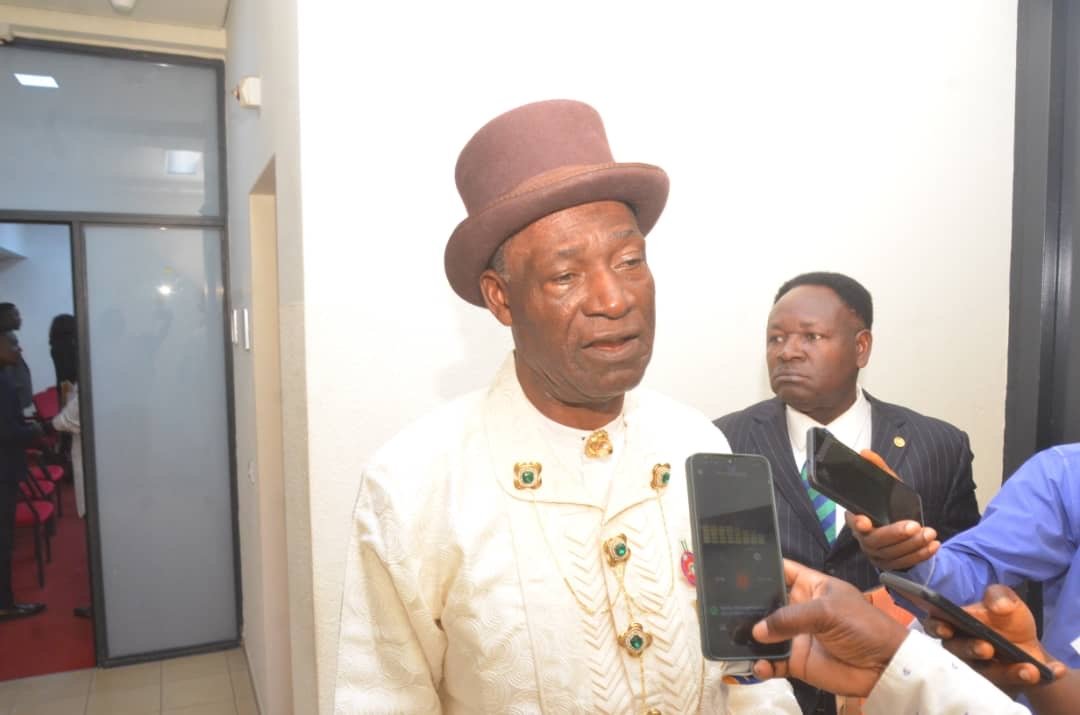
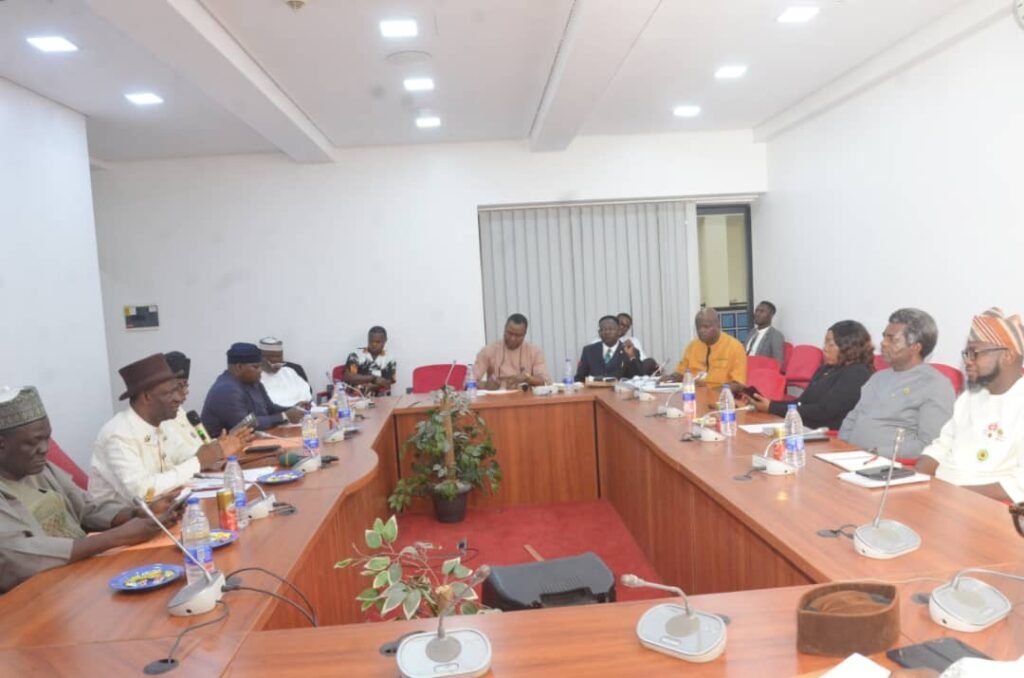
Agadaga made this known to journalists during an interactive session on Thursday with (NUPRC) acknowledging that there is reduced hostility in the oil industries and also relative peace in the Niger Delta region due to the achievements of the PIA through HCDT.
He warned that defaulters of the law must surely be sanctioned.The move, he explained, was a deliberate strategy to make the regulatory body “sit up” and enforce the law for the benefit of suffering oil-producing communities.
Speaking with palpable frustration, Senator Agadaga declared that the time for mere talking was over. He rooted his demand in the dire situation of host communities, whose environments have been devastated by decades of pollution from oil exploration.
“I come from where oil was first discovered in Nigeria, in the Oloibiri Oilfield. Shell has now left that place devastated. Nothing is done to remember even their operations in those days. The people are worse off than when they came in. There is nothing to show for their presence. Now, the government, in their wisdom, has said to work on this PIA, and the act has been signed into law. It is left for us Nigerians to implement, but well, one or few of them have been doing well.
*A lot of them are failing in their responsibilities. Now I feel NUPRC, as the regulatory body, should make them sit up. So, where they are failing to carry out this responsibility, then we oversee them,” he stated, painting a picture of abandonment where the people are worse off than before oil operations began. With some old wells now dry, he said, communities are left with no hope.
The senator pointed to the Petroleum Industry Act (PIA) as the tool meant to address these historical injustices, noting that while the law has been signed, implementation has been lagging.
He placed the primary responsibility for enforcement squarely on the NUPRC, stating that the regulator must compel compliance from oil companies, referred to as “settlers.” He revealed that his committee had published the names of non-compliant companies and emphasized that existing regulations mandate the withdrawal of operating licenses for such failures.
“NUPRC should not fail in the responsibility to do that,” he warned, asserting his committee’s role to oversee the regulator and “make them sit up” if they falter.
Agadaga broadened his argument, connecting the plight of the host communities directly to national stability. He reminded the nation of the turmoil that followed the removal of the fuel subsidy, arguing that the nation’s economic benefits flow from lands that have been seveNUdisturbed.
“The problem that is solving the issues in Nigeria is coming from that benefit, coming from a place where God has given them land,” he said, highlighting the stark injustice of communities bearing the cost for national gain.
The interactive session coincided with a leadership transition in the regulatory bodies, following the resignation of its chief executive. Senator Agadaga framed this moment as a critical opportunity to set a new tone, stating that the committee’s actions are aimed at ensuring the incoming head of the regulator is “on his toes” to deliver on the mandates for Nigeria and, most urgently, for the long-neglected oil-producing areas.
Senator Agadaga has mandated the regulatory body to give the details of the beneficiaries from the beginning of implementation of the PIA, “how much have we paid out? Because the publicity role is also in your hands. How many of them are using this judiciously? I want to know the names of all the fund managers, because we have to oversight them too. They are having our money”. he said.
The senator, who represents Bayelsa East Senatorial District, was accompanied at the session by other committee members, underscoring a unified legislative push for accountability.
